 how-to
How to Choose Off Road Tires: A Practical Guide
Table of Contents
- Start With Your Driving Mix, Not the Tread
- Off-Road Tire Categories: All-Terrain, Mud-Terrain, and Rugged-Terrain
- All-Terrain vs. Mud-Terrain Tires: Which Fits Your Terrain
- Off-Road Tire Size Guide: Diameter, Width, and Sidewall
- Off-Road Tire Load Rating and Construction Checks
- Tire Pressure for Off-Roading: Airing Down and Reinflating
- Ownership Costs, Lifespan, and Wet-Weather Trade-Offs
- Common Mistakes When Choosing Off Road Tires
- Frequently Asked Questions
Last Updated: October 21, 2026
Start With Your Driving Mix, Not the Tread
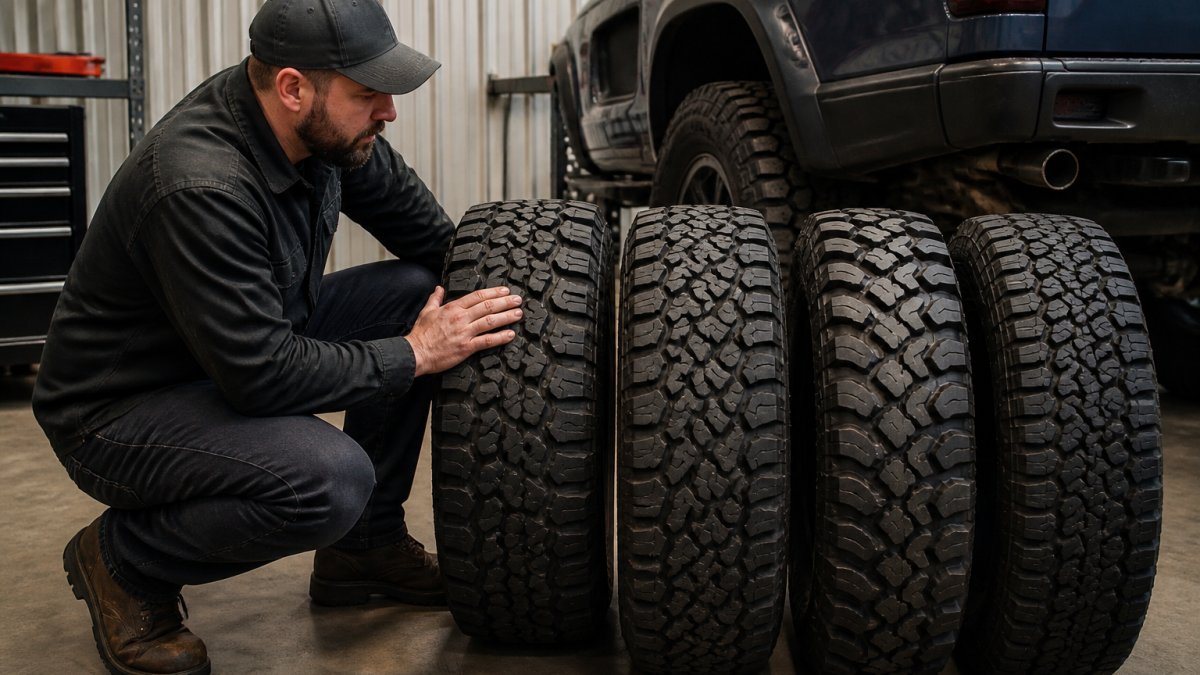
Most drivers shopping for how to choose off road tires start with the tread pattern. That is backwards. The right tire depends on where you actually drive, not how aggressive the sidewall looks in a photo.
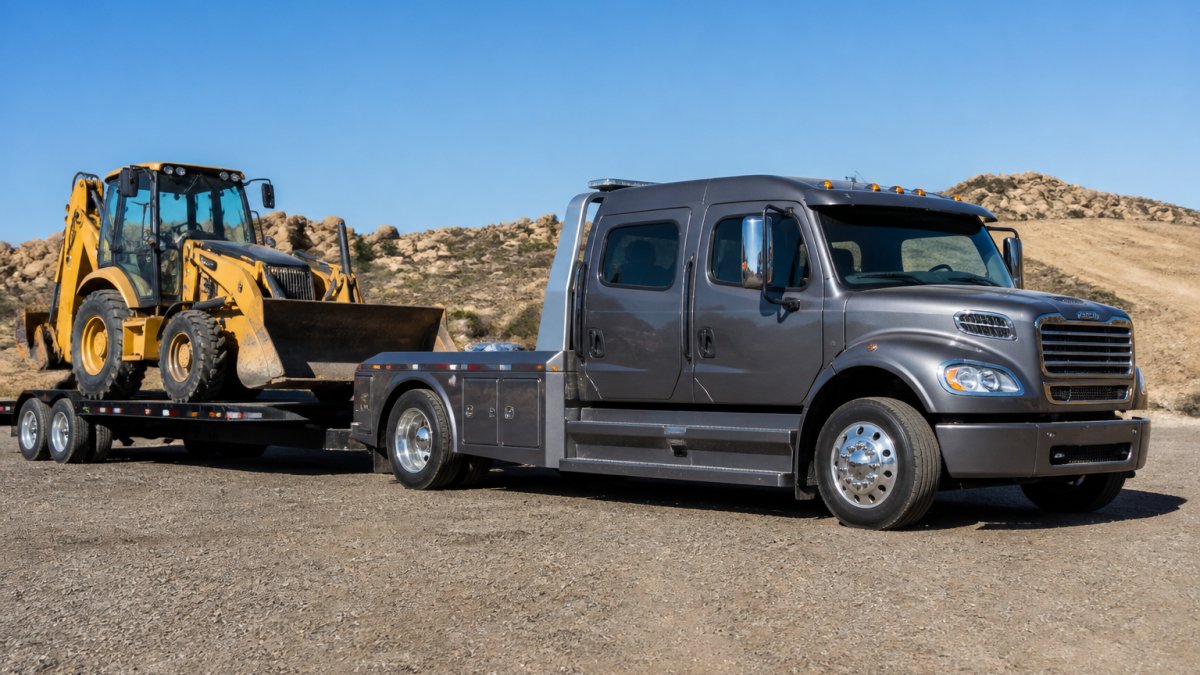
At Extreme Sport Chassis, we fit tires to trucks that tow horse trailers, haul equipment, and still need to behave on the highway.
Start by writing down your real split:
- Highway commuting and towing: how many miles per week?
- Gravel or dirt roads: weekly or occasional?
- Mud, rocks, or deep ruts: a few trips a year, or most weekends?
A truck that spends most of its life on pavement pulling a trailer needs a very different tire than a weekend trail rig.
Off-Road Tire Categories: All-Terrain, Mud-Terrain, and Rugged-Terrain
Off-road tires fall into three main groups: all-terrain (A/T), mud-terrain (M/T), and rugged-terrain (R/T).
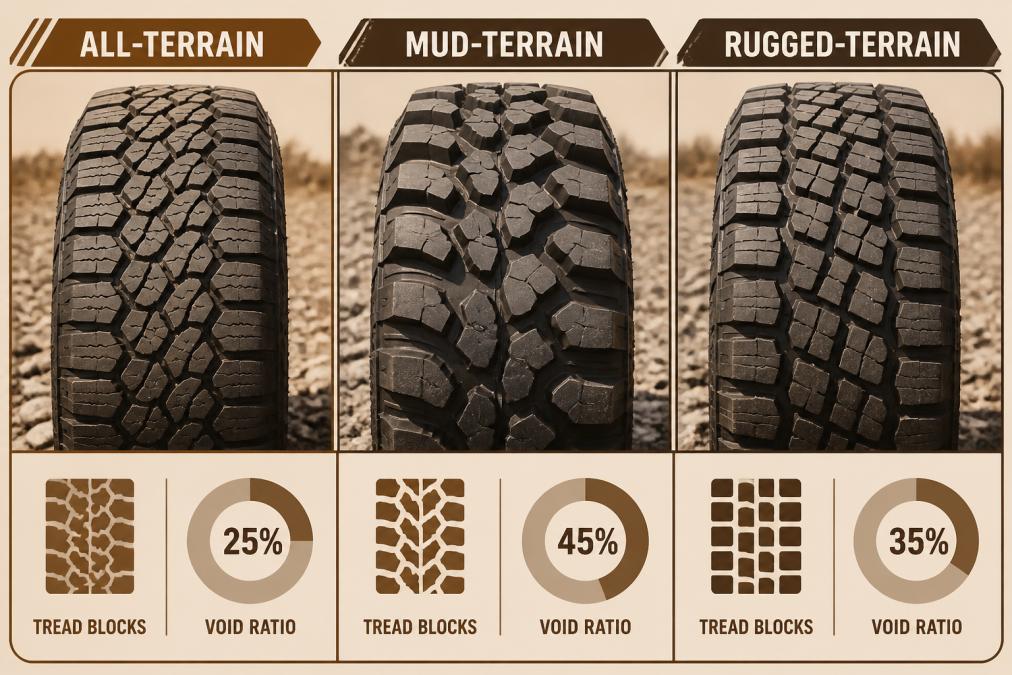
All-terrain tires are the do-everything choice. They handle pavement, gravel, and light trails without punishing you on the highway.
Mud-terrain tires have big tread blocks and wide voids for self-cleaning in mud and soft ground. They are loud and wear faster on pavement.
Rugged-terrain tires sit between the two. They offer more grip than an A/T off-road, with less noise than a full M/T.
| Tire Type | Best For | On-Road Comfort | Mud Grip | Tread Life |
|---|---|---|---|---|
| All-terrain (A/T) | Mixed daily driving, light trails | High | Moderate | Long |
| Rugged-terrain (R/T) | Frequent trails, some highway | Medium | Strong | Medium |
| Mud-terrain (M/T) | Deep mud, soft ground | Low | Highest | Short |
All-Terrain vs. Mud-Terrain Tires: Which Fits Your Terrain
The all-terrain vs. mud-terrain decision comes down to how often you leave pavement. All-terrain tires win for most drivers because they balance grip with comfort and tread life.
Mud-terrain tires earn their place when soft ground is the norm.
Here is the honest trade-off. An M/T tire on a daily highway commuter is a bad match. You get road noise, faster wear, and weaker wet-pavement grip.
For everyone else, an all-terrain or rugged-terrain tire covers the terrain most drivers actually see.
Off-Road Tire Size Guide: Diameter, Width, and Sidewall
An off-road tire size guide starts with three numbers: overall diameter, width, and sidewall height. Bigger diameter adds ground clearance. More sidewall protects the wheel and lets you air down. But size is a system, not a single number, changing one dimension affects clearance, gearing, speedometer accuracy, and load capacity.
What each dimension actually does
- Overall diameter sets ground clearance and affects gearing. A taller tire raises the truck but effectively lowers the axle ratio, which can make the engine feel sluggish and the transmission hunt for gears.
- Width affects flotation and steering feel. Wider tires put more rubber on the ground for sand and mud, but they can rub at full steering lock and increase rolling resistance.
- Sidewall height is the cushion between the wheel and the trail. More sidewall protects the rim on rocks and gives you more room to air down. Less sidewall means a stiffer ride and a higher risk of pinch flats on sharp edges.
Fitment checklist before you buy
Run through this list with the truck loaded, not empty:
- Wheel width: confirm the tire's recommended rim width range from the manufacturer. A tire mounted on a rim that is too narrow or too wide wears unevenly and can fail.
- Clearance at full steering lock: turn the wheels lock-to-lock and check for rubbing on the fender liners, control arms, and sway bar.
- Clearance under compression: load the truck with the weight you normally carry and check clearance to the fenders and suspension. A tire that clears in the driveway can rub when the suspension compresses on a trail.
- Suspension and body lift: if you are adding a lift to fit a larger tire, confirm the lift kit is designed for that tire size and that brake lines, wiring, and steering components still have slack.
- Gearing: a significantly larger diameter changes the effective axle ratio. If the truck feels underpowered or the transmission shifts constantly after a tire change, regearing may be needed.
- Speedometer and odometer: a larger diameter makes the speedometer read low. Many trucks can be recalibrated with a programmer or dealer tool; confirm before you rely on the speedometer for towing or speed-limit compliance.
- Load rating: the tire's load index must meet or exceed the vehicle manufacturer's requirement for your truck's gross vehicle weight rating, plus trailer tongue weight if you tow.
- Spare tire: a larger spare may not fit the spare well or match the rolling diameter of the other four. A mismatched spare can damage drivetrain components if used for long distances.
A practical sizing approach
Start with the tire size the vehicle manufacturer specifies, then move up one size at a time only if you have a specific need, more clearance for a trail you actually run, or more sidewall for rocks you actually drive. Measure clearance with the truck loaded, confirm the load rating against your towing needs, and recalibrate the speedometer if the diameter changes. That sequence keeps the truck safe and driveable instead of just looking the part.
Off-Road Tire Load Rating and Construction Checks
Off-road tire load rating tells you how much weight each tire can carry. Match it to your truck's gross weight plus the trailer tongue weight, with a safety margin.
Construction matters just as much. Look for:
- Reinforced sidewalls for puncture resistance on rocks and ruts
- Ply rating that suits your load and terrain
- Tire construction built for the weight you haul
A tire that is under-rated for a loaded trailer is a safety risk, not a bargain. If you tow heavy, size the load rating up, not down.
Tire Pressure for Off-Roading: Airing Down and Reinflating
Tire pressure for off-roading is the single biggest lever you control. Airing down softens the ride, lengthens the contact patch, and improves grip on rocks, sand, and loose surfaces. But the right pressure depends on your tire size, your vehicle's weight, and the terrain, not a single number copied from a forum.
Why airing down works
Lower pressure lets the tire conform to obstacles instead of bouncing off them. The sidewall flexes, the tread spreads out, and the contact patch grows. On sand, that flotation keeps you on top of the surface. On rocks, the softer sidewall wraps around edges for traction.
The trade-off is heat and sidewall stress. Too little pressure at highway speed builds heat fast and can damage the tire or cause a blowout. That is why reinflating before pavement is non-negotiable.
Starting pressures by terrain
Use your door placard pressure as the highway and towing baseline, then adjust down for off-road use. These are common starting points, verify against your tire manufacturer's load/inflation table for your exact size and load:
- Highway and towing: door placard pressure, cold
- Gravel and dirt roads: 5-10 psi below placard for comfort and grip
- Rocks and rocky trails: 10-15 psi below placard for sidewall flex and tread conformity
- Sand and soft ground: 15-20 psi below placard, or lower for heavy vehicles in deep sand
- Deep mud: modest air-down (5-10 psi below placard) to keep the tread cleaning itself
A common pattern among experienced drivers is to air down in stages and check the sidewall bulge: if the sidewall is visibly squashed at the bottom, you are in the useful range for off-road traction. If the rim is close to the ground, you have gone too far.
Adjust for load and vehicle weight
A loaded truck needs more pressure than an empty one at the same terrain. Tongue weight from a trailer, gear in the bed, and passengers all add load that a low-pressure tire has to carry. If you tow or haul on gravel, start closer to placard and air down less. A heavy rig aired down like a lightweight Jeep will run hot and risk sidewall damage.
Reinflating and carrying the right gear
Reinflate to placard before you hit pavement. Low pressure on the highway builds heat, hurts fuel economy, and can damage the tire. Carry a gauge and a portable compressor rated for your tire size, a small emergency inflator may take too long to bring four large off-road tires back up to pressure.
Check pressure when tires are cold. After a trail run, tires will read higher than cold pressure; that is normal heat buildup, not a reason to bleed air.
Ownership Costs, Lifespan, and Wet-Weather Trade-Offs
Off-road tires cost more to own than they appear. Aggressive tread wears faster, and mud-terrain tires often last fewer miles than all-terrain sets. Factor in rotation, alignment, and replacement sooner than you expect.
Wet-weather grip is the trade-off many buyers miss. A wide-open mud tread can struggle on wet pavement compared with a tighter all-terrain pattern.
Balance the math against your driving mix. A tire that lasts longer and grips wet roads may beat an aggressive tire you only need a few weekends a year.
Common Mistakes When Choosing Off Road Tires
The biggest mistake is buying for looks, not for the driving you actually do. An aggressive mud tire on a daily commuter is the classic regret.
Others we see often:
- Ignoring load rating when towing heavy trailers
- Skipping the fitment check and rubbing fenders under load
- Never airing down, then blaming the tire for poor grip
- Forgetting to reinflate before highway driving
Get the driving mix, load rating, and fitment right, and the tread choice becomes easy. If you would rather have a truck spec'd correctly the first time, our team at Extreme Sport Chassis can match the right tire and setup to how you actually drive.
Frequently Asked Questions
What type of tires are best for off-road?
There is no single best type. All-terrain tires suit drivers who split time between pavement and gravel, dirt, and light trails. Mud-terrain tires win in deep mud, ruts, and loose surfaces where maximum void ratio and self-cleaning tread blocks matter. Rugged-terrain sits between the two. Match the tire to how often you actually leave pavement and what surface you ride on, then confirm the load rating covers your truck and trailer.
Are all-terrain tires good for daily driving and off-roading?
Yes, for most drivers. All-terrain tires keep road noise and rolling resistance lower than mud-terrain, so highway driving and ride comfort stay reasonable. They handle gravel, dirt roads, and light rocks well. If your weekends involve deep mud or sharp rock crawling, step up to a more aggressive tread. Check tread depth and sidewall construction before committing, and keep air pressure set for the load you carry.
What is the difference between all-terrain and mud-terrain tires?
All-terrain tires use tighter tread blocks and a lower void ratio for quieter highway driving and predictable wet-weather grip. Mud-terrain tires use large, widely spaced tread blocks and deep voids that clear mud and grip loose surfaces, at the cost of road noise, rolling resistance, and tread wear. If your truck tows an RV or horse trailer mostly on pavement with occasional dirt, all-terrain is usually the better fit.
How do tire size and sidewall affect off-road performance?
Larger diameter raises ground clearance and helps you roll over rocks and ruts. A taller sidewall gives more flex when you air down, which widens the contact patch on loose surfaces and protects the wheel. Before sizing up, check wheel clearance, fitment, and gearing. Confirm the load rating still covers your vehicle weight and tongue weight, since a bigger tire does not automatically mean more load capacity.
Choosing off-road tires is really a question of matching rubber to reality. Get your driving mix, load rating, and fitment right, and the rest falls into place. At Extreme Sport Chassis, we build and fit trucks for towing, hauling, and trail duty, with custom solutions tailored to your needs and a wide selection of trucks, Jeeps, and SUVs. Get started with Extreme Sport Chassis and drive off the lot on tires built for your terrain.