 Ultimate guide
7 Luxury Interior Upgrades for Work Trucks That Last
Last Updated: October 28, 2026
Quick Summary
Luxury interior upgrades for a work truck pay off through retention, resale, and driver health, so prioritize seats with adjustable lumbar support, lockable storage, sound deadening, and dust-resistant technology. Plan seats, storage, soundproofing, and electronics as one system so the build holds up to daily job-site abuse.
- Seats are the highest-value work truck upgrade; prioritize adjustable lumbar, firm cushions, and sealed seams.
- Vinyl cleans up faster and costs less to replace than leather on trucks that see grease and gravel.
- Plan storage around what actually rides in the cab, then add 20 percent capacity for growth.
- Skip foam-only soundproofing kits; use constrained-layer damping and mass-loaded vinyl instead.
- Confirm aftermarket seats are compatible with the truck's airbag architecture and factory safety systems.
Table of Contents
- Why Luxury Interior Upgrades for Work Trucks Pay Off
- Work Truck Seat Upgrades: Where Comfort Starts
- Truck Interior Storage Solutions That Keep the Cab Organized
- Work Truck Soundproofing for Long-Haul Comfort
- Truck Interior Technology Upgrades That Earn Their Place
- Premium Materials and Craftsmanship: What Separates a Real Build From a Parts List
- Planning Your Luxury Interior Build With Extreme Sport Chassis
- Frequently Asked Questions
Why Luxury Interior Upgrades for Work Trucks Pay Off
A work truck spends more hours carrying its driver than almost any other asset on the job. The same truck can haul a horse trailer on Saturday and double as a daily commuter on Monday. Luxury interior upgrades for work trucks are no longer vanity spending. They are retention, resale, and driver health rolled into one decision.
Comfort That Survives the Job Site
Comfort in a work truck is not the same as comfort in a sedan. A plush seat that feels wonderful in a showroom can collapse under a driver who climbs in wearing muddy boots six days a week.
The upgrades that pay off share one trait: they hold up. Durable leather, sealed storage, and sound deadening that resists dust all deliver daily value. Materials chosen for looks alone rarely survive a season of real work.
Work Truck Seat Upgrades: Where Comfort Starts
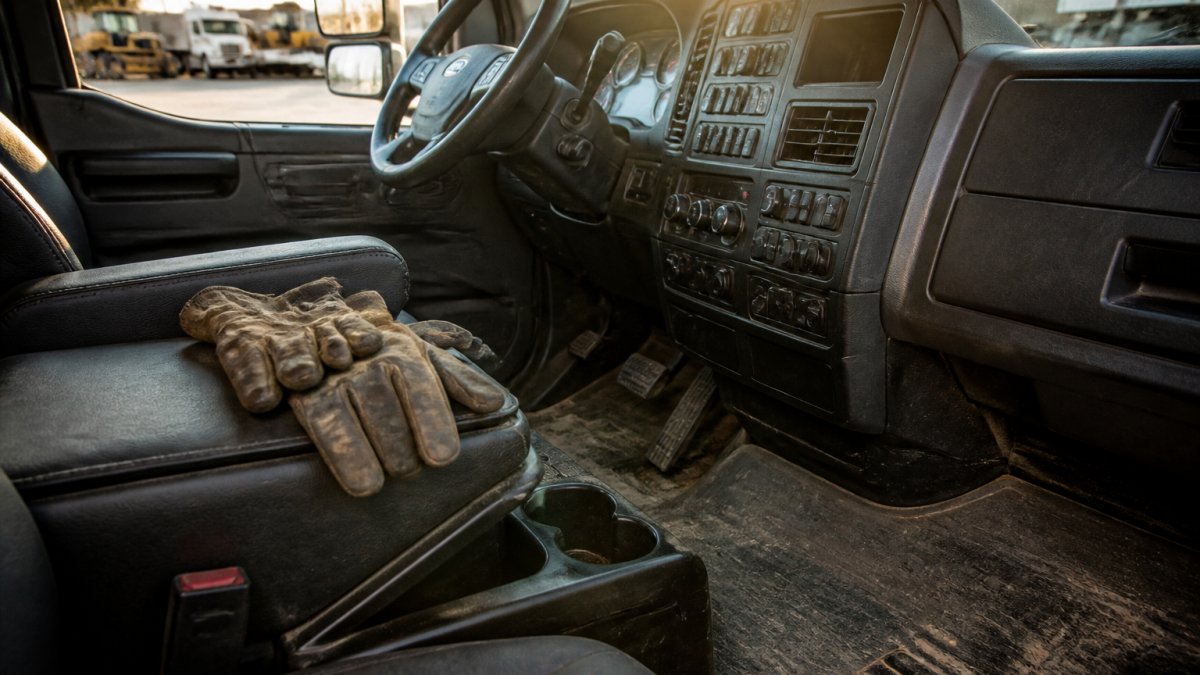
Seats are the highest-value upgrade on any work truck, full stop. Drivers feel the difference within the first mile, and long-haul comfort depends on support more than padding. But a work-truck seat must survive conditions a passenger-car seat never sees: muddy boots, repeated sliding in and out, tools tossed on the cushion, and six-day workweeks.
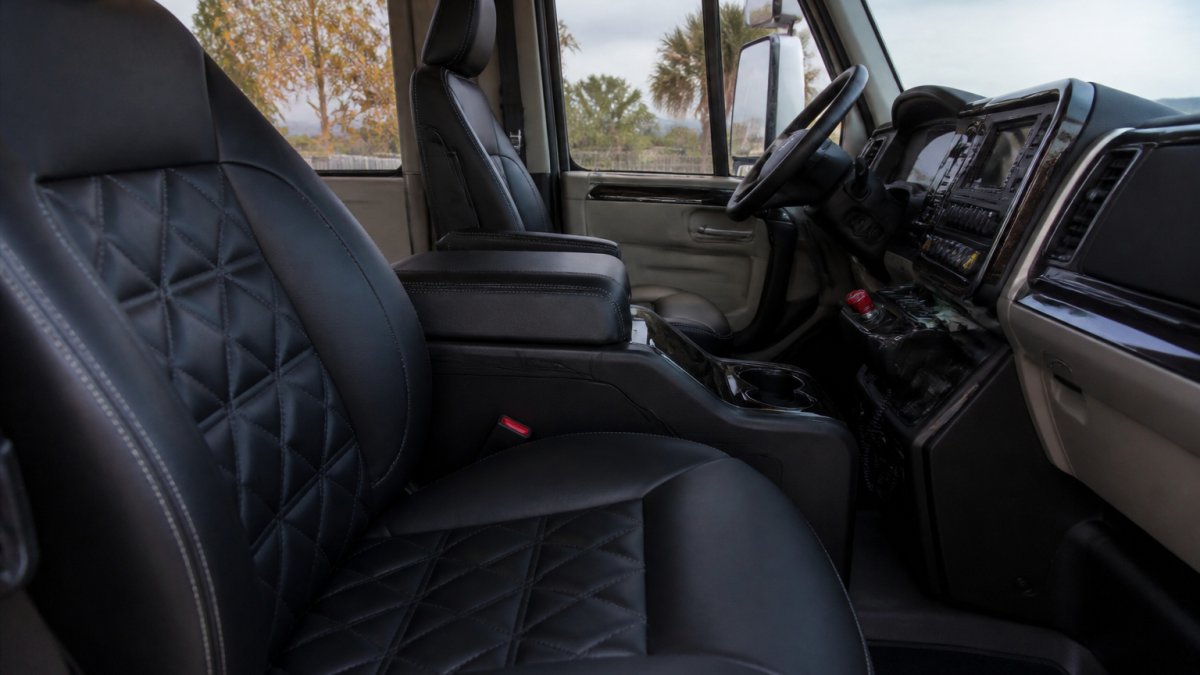
What most guides miss is that seat height, bolster shape, and lumbar adjustment matter more than the cover material. A contractor sitting eight hours a day needs adjustable lumbar support and a firm cushion that resists compression. Look for seats with multi-way power adjustment and memory settings if more than one driver shares the truck. For job-site use, prioritize sealed seams and closed-cell foam that won't absorb moisture.
Ergonomics That Reduce Fatigue
Driver fatigue on long hauls is cumulative. A seat that lacks thigh support forces the lower back to compensate, and a cushion that bottoms out sends vibration straight up the spine. The upgrades that help most are adjustable lumbar (both height and depth), an extendable thigh cushion, and a seat bottom that tilts independently of the backrest. These features let a driver change posture during a shift, which matters more than any single "comfort" setting.
Fitment, Airbags, and Safety
Seat replacement is not a simple swap. Modern trucks have side airbags mounted in the seat, occupant-detection sensors, and seat-belt pretensioners tied to the factory wiring. An aftermarket seat that ignores these systems can disable airbag deployment or trigger a warning light. Before buying, confirm that the seat is compatible with the truck's airbag architecture, or choose a builder that integrates the factory safety systems rather than bypassing them. Seat-belt buckles must match the factory receiver, and the seat mounting brackets must use the original bolt patterns and torque specs.
Leather, Vinyl, or Heavy-Duty Fabric?
Each material suits a different job, and the right answer depends on what lands on the seat.
| Material | Best For | Watch Out For |
|---|---|---|
| Premium leather | Owner-operators, resale value | Requires conditioning; scratches show; can crack in dry heat if neglected |
| Heavy-duty vinyl | Contractors, muddy boots, easy wipe-down | Can feel hot in summer sun; lower grades crack at stress points |
| Technical fabric | Long-haul drivers, breathability | Stains set in if not treated; not ideal for grease or hydraulic fluid |
A common mistake is choosing leather for a truck that sees grease and gravel daily. Vinyl cleans up faster and costs less to replace. Leather wins on resale and feel, but only if the owner maintains it. For mixed use, weekday job site, weekend trailer hauling, a combination build (vinyl bolsters with leather seating surfaces) often holds up best.
Truck Interior Storage Solutions That Keep the Cab Organized
Storage is where a work truck interior earns its keep. Loose tools, paperwork, and charging cables turn a premium cab into a mess within a week. But work-truck storage has to do more than organize, it has to secure valuables, survive vibration, and clean up fast.
Good truck interior storage solutions start with dedicated, lockable compartments: under-seat lockboxes for tools, console vaults for valuables, and door pockets sized for real equipment rather than a phone. Cab organization is a safety issue too. Anything that slides under the brake pedal during a hard stop is a hazard. Look for compartments with positive latches and non-slip liners, not open bins that spill their contents on a rough road.
Security and Theft Deterrence
A work truck often carries thousands of dollars in tools. Lockable storage is not a convenience, it is insurance. Under-seat lockboxes bolted to the floor and console vaults with hardened locks slow down smash-and-grab theft. For high-value gear, choose compartments with concealed hinges and no external pry points. If the truck is used for fleet work, keyed-alike locks let one key open every compartment, which simplifies daily use.
Cleanability and Job-Site Durability
Storage surfaces take abuse. Muddy gloves, spilled coffee, and metal tools scratch and stain. Choose compartments with smooth, sealed interiors that wipe clean, and avoid carpeted liners that trap grit and moisture. Drawers that ride on metal slides with sealed bearings resist dust better than plastic tracks. Removable bins make it easy to carry gear to the job and hose out the compartment afterward.
Installation and Compatibility
Storage upgrades are only as good as their mounting. Under-seat boxes must clear the seat's folding mechanism and not interfere with airbag sensors or seat-belt anchors. Console vaults need to fit the factory console footprint without blocking USB ports or climate controls. Drilling into the floor can void corrosion warranties if not sealed properly. A builder that plans storage as part of the interior system, rather than bolting on generic boxes, avoids rattles, clearance issues, and electrical conflicts.
We recommend planning storage around what actually rides in the cab every day, not around what looks tidy in a catalog. Measure your gear first, then spec the cabinets and compartments. A common pattern is to map a week's worth of tools, then add 20 percent capacity for growth.
Work Truck Soundproofing for Long-Haul Comfort
Sound deadening is the most underrated upgrade on this list. Diesel engines and highway wind noise wear a driver down in ways that are hard to notice until the noise is gone.
Work truck soundproofing typically combines barrier mats under the carpet, damping material in the doors, and sealed gaps around the firewall. The goal is reducing road and engine noise at cruising speed, where fatigue accumulates fastest. Drivers who log long hauls report that a quieter cab changes how they feel at the end of a shift.
Skip the cheap foam-only kits. They absorb moisture and lose effectiveness. A proper build uses constrained-layer damping and mass-loaded vinyl in the right places.
Truck Interior Technology Upgrades That Earn Their Place
Technology earns its spot in a work truck only when it survives dust, vibration, and temperature swings. That rules out a lot of consumer-grade gear.
The truck interior technology upgrades worth planning include:
- Upgraded audio with sealed speakers that resist dust
- Wireless charging pads mounted where a phone actually sits
- Backup and trailer cameras wired into the factory display
- Remote start and climate pre-conditioning for cold mornings
- Integrated dash solutions that avoid loose cables
Installation and compatibility decide whether these upgrades last. Aftermarket electronics that fight the factory wiring harness cause the reliability problems buyers fear. We plan technology around the truck's existing electrical architecture rather than splicing around it. If you want to see how full builds come together end to end, our guide on planning custom truck builds for horse trailers walks through the process.
Premium Materials and Craftsmanship: What Separates a Real Build From a Parts List
Craftsmanship is the difference between a truck that feels custom and one that feels assembled. Anyone can order parts. Fitting them so they look factory-installed takes skill.
Premium materials matter, but execution matters more. Stitching that follows the original seam lines, panels that align without gaps, and wiring routed and protected properly all signal a real build. A parts-list approach often produces squeaks, rattles, and electrical gremlins within the first year.
If you are weighing whether a full custom build justifies the investment over piecemeal upgrades, our breakdown of whether it is worth driving for custom trucks covers the trade-offs honestly.
Durability, Cleanability, and Material Selection
Material selection should start with a cleaning question: how will this surface look after two years of job-site abuse? Upholstery that cannot be wiped down will not survive. Carpets that trap grit wear through. Lighting fixtures that are not sealed collect dust.
Choose materials by the environment they will live in, then by appearance. That order keeps a luxury interior looking premium long after the honeymoon phase.
Planning Your Luxury Interior Build With Extreme Sport Chassis
A luxury interior build works best when it is planned as one system, not a series of impulse purchases. Seats, storage, sound deadening, and technology all interact, and the order of installation affects the outcome.
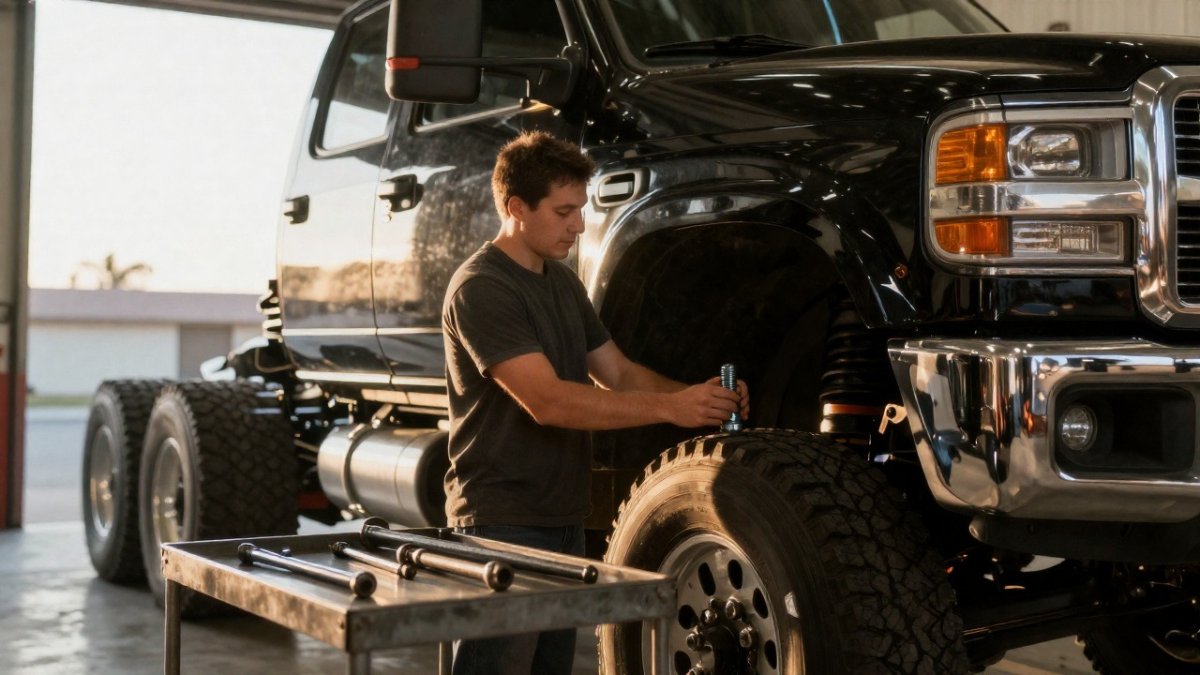
SportChassis trucks combine heavy-duty engineering with luxury comfort.
When you are ready, you can view the SportChassis trucks for sale and see the finished product, or read what our customers say about their builds before you commit.
Extreme Sport Chassis specializes in SportChassis trucks and offers personalized service and custom solutions tailored to individual needs. The locally owned dealership also offers expert advice on vehicle selection.
Frequently Asked Questions
What interior upgrades make a work truck more comfortable?
Start with the seat: upgraded cushions, adjustable lumbar support, and heated or ventilated surfaces make the biggest difference on long days. Soundproofing cuts road and engine noise, which reduces fatigue on highway stretches. A well-organized center console and door storage keep tools from crowding the driver. Together these changes turn a stock cab into a space you can spend ten hours in without feeling worn out.
Are leather seats practical in a work truck?
Yes, when the leather is specified for heavy use. Automotive-grade leather with sealed seams wipes clean of dust, mud, and spills far faster than fabric, which absorbs them. The trade-off is care: leather needs periodic conditioning to avoid cracking in hot, dry conditions. Many work truck seat upgrades pair leather seating surfaces with durable vinyl on the bolsters, so the high-wear edges take abuse while the seating area stays comfortable.
How do I choose durable materials for a truck interior?
Judge materials by how they handle abrasion, UV exposure, and cleaning, not by how they look on a sample card. Ask how a surface holds up to repeated wipe-downs with shop towels and cleaners. Marine-grade vinyl and sealed automotive leather resist moisture and sun better than untreated fabrics. For floors, all-weather mats and spray-in liners beat carpet in a work truck. Extreme Sport Chassis can walk you through material options that match how you actually use the truck.
Can a work truck interior be customized for both work and travel?
It can, and that dual purpose is exactly where a planned build beats a pile of aftermarket parts. Lockable storage keeps tools secure during the week, while upgraded seating, soundproofing, and technology make weekend towing trips comfortable. The key is choosing components that fit together from the start, rather than adding parts one at a time. SportChassis has built luxury haulers for over 20 years, so the work-and-travel combination is a familiar brief.