 blog
Choosing a Watts Automotive Alternative for Custom Builds
Last Updated: October 22, 2026
Quick Summary
Choose a Watts Automotive alternative for custom builds by comparing build scope, written timelines, verifiable completed build sheets, and fitment verification before parts are ordered. The right shop handles suspension, driveline, and body together and documents alignment specs and torque values at delivery.
- Ask any shop for a completed build sheet with part numbers and alignment specs.
- Verify fitment before ordering, since mismatched aftermarket parts cause vibration and premature wear.
- Budget four lines: parts, labor, alignment and testing, and contingency.
- Confirm the shop has finished builds on your platform for your intended use.
- Get a written timeline with checkpoints and a named point of contact.
Table of Contents
- Why Drivers Seek a Watts Automotive Alternative for Custom Builds
- How to Compare Custom Truck Builders
- Truck Customization Options That Actually Matter
- Inside the Custom Truck Build Process
- Build Scope and Specialization: Matching the Shop to Your Project
- Questions to Ask Before You Commission Any Custom Builds
- Frequently Asked Questions
Why Drivers Seek a Watts Automotive Alternative for Custom Builds
Custom builds are not a commodity purchase. A lifted truck with the wrong spring rate drives worse than stock.
The 2026 State of the Automotive Aftermarket Survey from AAPEX found that 61% of respondents expect demand for aftermarket parts and services to grow in 2026.
Below, we break down how to evaluate any custom truck shop, what customization options actually change your driving experience, and the questions that separate serious builders from parts assemblers.
How to Compare Custom Truck Builders
Comparing custom truck builders comes down to five factors: build scope, process transparency, verifiable examples, communication cadence, and how the shop handles the whole vehicle rather than one system.
Most buyers compare on price first. That is the wrong order.
Here is the comparison framework we would use:
| Factor | What to Look For | Red Flag |
|---|---|---|
| Build scope | Handles suspension, driveline, and body together | Only installs one category of parts |
| Process | Written timeline with checkpoints | Vague "a few weeks" estimates |
| Examples | Completed builds you can inspect | Only stock photos of parts |
| Communication | Named contact, scheduled updates | No updates until the truck is done |
| Fitment | Verifies parts work together before ordering | Orders whatever the customer names |
A common mistake is treating a lift kit as a standalone purchase. Suspension upgrades change steering geometry, brake bias, and tire clearance.
Truck Customization Options That Actually Matter
Truck customization options that matter most are the ones tied to how you actually use the vehicle: suspension, tires and wheels, lighting, and driveline support. Cosmetic changes are fine, but they should come after the functional work. The sections below explain the mechanism behind each choice and the trade-off it creates.
Suspension upgrades and lift kits
Choose suspension based on load and terrain, not on how tall the truck looks in a parking lot. A modest lift with quality dampers usually outperforms a tall lift with cheap components, because uncontrolled spring energy is what produces the float and bounce drivers complain about after a cheap lift.
Key variables a builder should confirm before recommending a kit:
- Spring rate vs. curb and payload weight. A spring rated for a loaded work truck rides harsh when empty. A spring rated for empty cruising sags when you hook up a trailer.
- Shock valving and travel. Longer travel without matching bump stops and limiting straps lets the suspension over-extend and damage components.
- Steering geometry. Lifting changes caster, camber, and toe. Without corrected geometry, the truck wanders and the tires cup.
Air-ride suspension
Air-ride lets you adjust ride height and load leveling. It is useful for trucks that tow heavy some days and run empty others because the spring rate changes with the load. The trade-off is complexity: compressors, lines, and height sensors add service points, and a leak can leave the truck on the bump stops. Ask how the system fails safe and where the compressor is mounted.
Tires and wheels
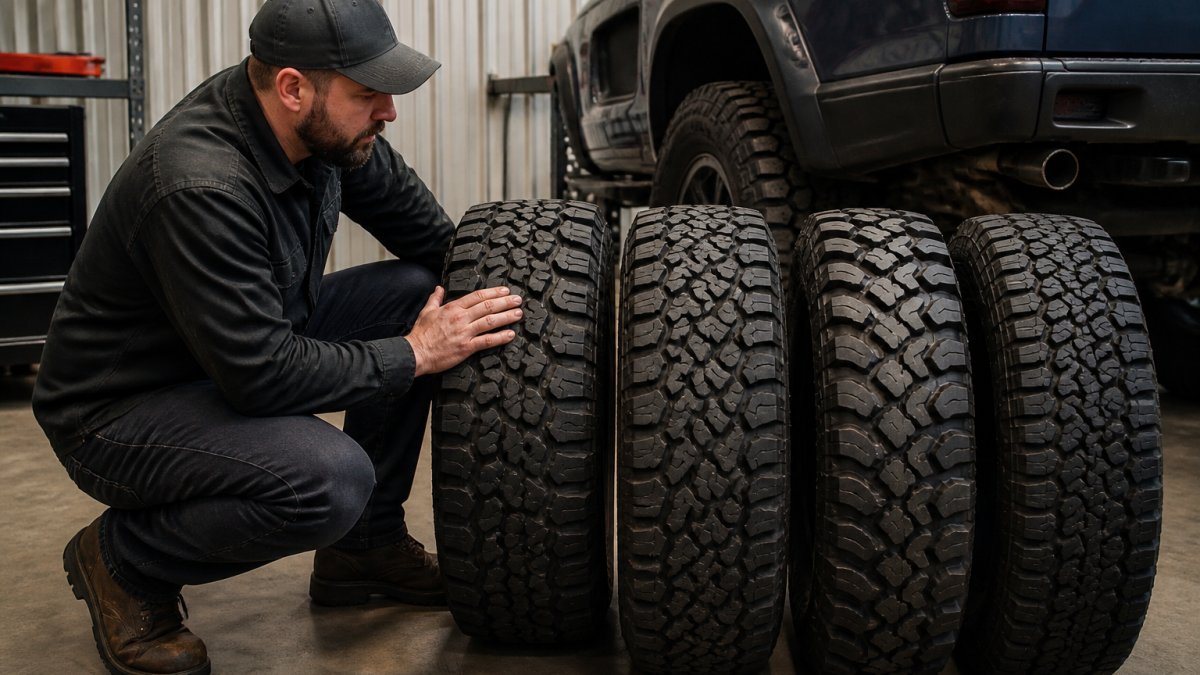
Match load rating and sidewall to your terrain. Oversized tires without regearing hurt towing performance because the larger rolling circumference effectively raises the final drive ratio, reducing torque at the wheels. A common pattern is a truck that feels strong empty but struggles on a grade with a trailer after a tire size increase without a gear change.
- Load range: Confirm the tire's load index against your gross axle weight rating, not just the door sticker.
- Wheel offset: Changing offset changes scrub radius and can cause rubbing at full lock or fender contact under compression.
- Speedometer and shift points: Larger tires change both; a builder should recalibrate or account for it.
Lighting upgrades
Lighting is practical for early-morning work sites and trail visibility. Verify state and local road-use rules before installing auxiliary lighting, because rules on light bars, fog lights, and mounted auxiliary lamps vary by state and by how the light is used on public roads. A builder should know which circuits are legal for street use and which are off-road only.
Driveline support
This is the category most buyers overlook. Lifts and larger tires change pinion angles, which can produce vibration and premature u-joint wear. A builder who understands driveline geometry will check pinion angle and may recommend a CV-style driveshaft, a transfer-case drop, or axle shims. Skipping this step is how a truck ends up with a vibration no amount of balancing fixes.
Custom parts and accessories
Bed systems, hitches, and storage should be chosen around your actual cargo, not the catalog. A bed rack that blocks the rear window, a hitch that reduces departure angle, or storage that eats payload are all common mistakes when accessories are picked for looks rather than use. Off-road and overland builds follow a different logic than towing builds: overland setups prioritize range, payload, and self-recovery, while rock-focused builds prioritize articulation and clearance.
Inside the Custom Truck Build Process
The custom truck build process moves through five stages: consultation, design and parts selection, teardown and installation, alignment and testing, and delivery with documentation. What separates a smooth build from a painful one is not the standard stage list but the timeline, communication cadence, and budget controls inside each stage.
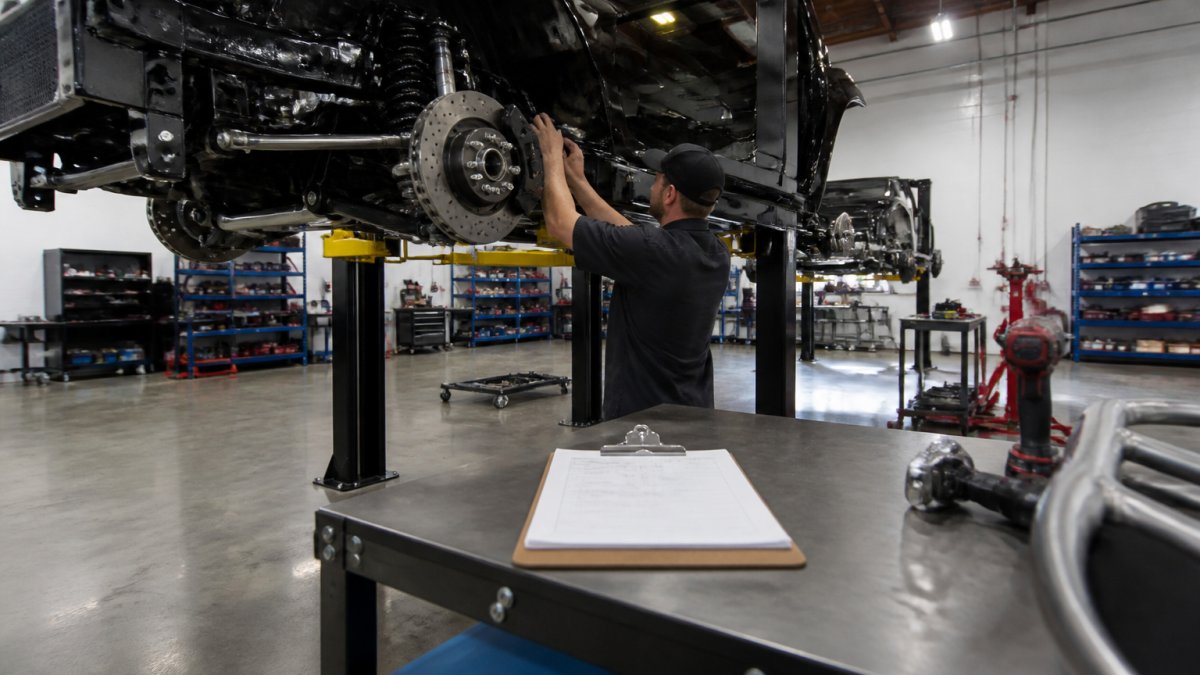
Stage 2: Design and parts selection. Fitment gets verified before anything is ordered, which is where mismatched aftermarket parts get caught.
Stage 3: Teardown and installation. Suspension, driveline, and any bodywork happen here.
Stage 4: Alignment and testing. A lifted or modified truck needs a proper alignment and a road test under load.
Stage 5: Delivery and documentation. You should leave with a build sheet, alignment printout, and torque specs for anything serviceable.
Timeline and communication expectations
Delays usually come from parts availability and scope changes discovered during teardown, not from installation itself. A builder who explains this upfront and gives you a checkpoint schedule is easier to work with than one who promises a single delivery date.
Ask for:
- A written timeline with checkpoints (parts ordered, teardown complete, installation complete, alignment complete, ready for pickup).
- A named point of contact and a cadence for updates, such as a weekly summary or a message at each checkpoint.
- A change-order process: how a discovered issue is priced and approved before work continues.
Budget controls
A realistic build budget has four lines: parts, labor, alignment and testing, and contingency. The contingency line matters because teardown often reveals worn bushings, seized fasteners, or prior repairs that were not visible on inspection. Ask what percentage of the parts and labor total the shop recommends holding back, and what happens if the contingency is not used.
Build Scope and Specialization: Matching the Shop to Your Project
Matching a shop to your project means confirming three things: the shop has completed builds like yours, it handles the full system rather than one component, and it can support the truck after delivery. A shop that specializes in show trucks may not fit a contractor hauling equipment daily, and a shop that only does lift kits may not want to touch driveline geometry. Scope matters more than reputation.
Ask directly: "How many builds have you done on this platform, with this intended use?" Then ask to see one. Verifiable build examples are the single strongest signal of work quality.
For buyers outside the immediate area, distance is a real factor: a truck that needs a follow-up alignment or torque check is easier to service when the builder is reachable.
Questions to Ask Before You Commission Any Custom Builds
Before commissioning custom builds, ask about process, fitment verification, documentation, post-build support, and what happens if something does not work as promised. The answers reveal more than any showroom visit.
Use this checklist:
- Can you show me a completed build sheet from a project like mine?
- How do you verify that aftermarket parts work together before installation?
- What is the written timeline, and what are the checkpoints?
A shop that answers these clearly is a shop worth considering. A shop that deflects or promises everything without specifics is telling you something too.
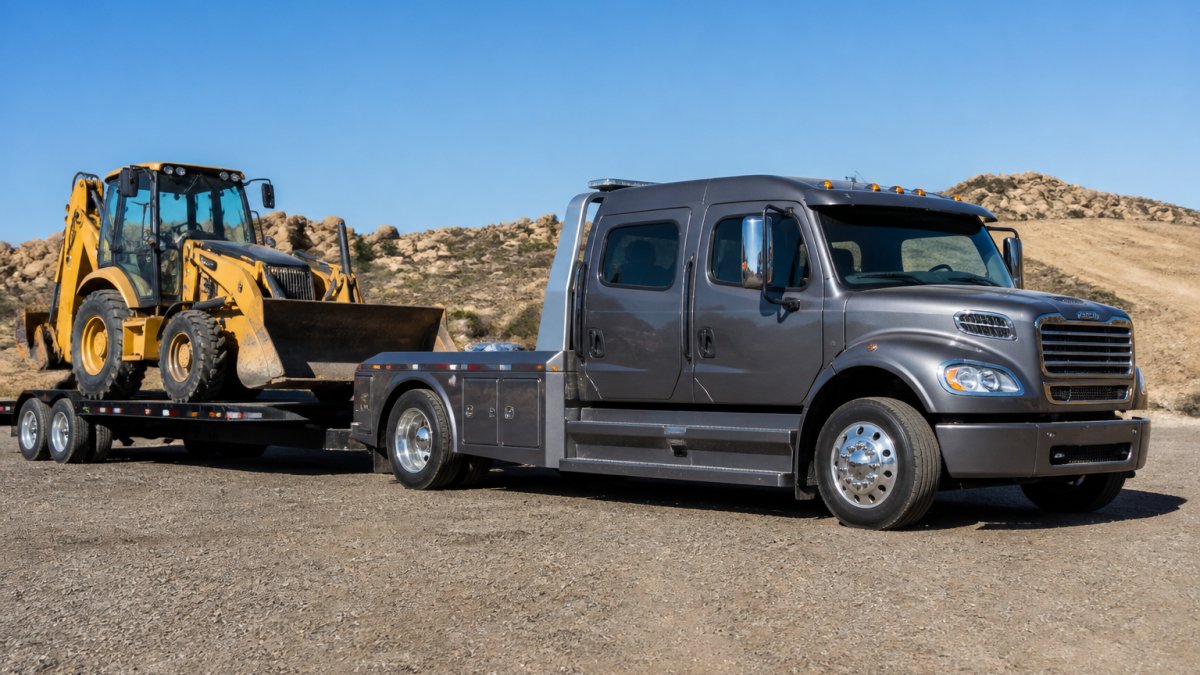
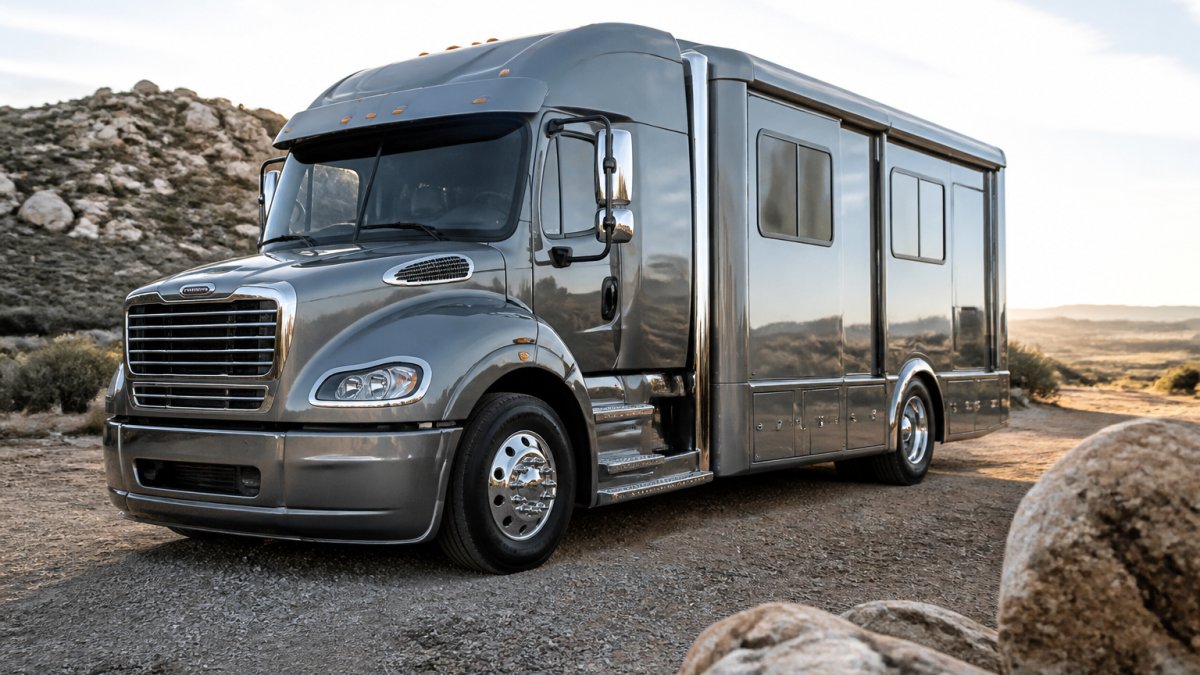
At Extreme Sport Chassis, we work with drivers who need a truck that handles heavy towing and daily driving without feeling like a work vehicle. Our inventory of SportChassis trucks and our selection of cars, SUVs, and Jeeps gives buyers a starting point, and our team walks through how a build fits your budget and lifestyle before anything is ordered.
Frequently Asked Questions
What should I look for in a custom truck builder?
Start with verifiable build examples for trucks used the way yours will be, whether that is towing, contracting work, or off-road use. Ask how the shop handles parts compatibility, who does the installation, and how it communicates progress. Get the scope in writing, including what happens if a part is backordered. A builder who can walk you through past builds and explain trade-offs clearly is a better sign than one who only quotes a number. Pricing depends on scope, so ask for a written estimate rather than a verbal figure.
What is the difference between a custom truck dealer and a customization shop?
A dealer typically sells completed vehicles and can often coordinate customization through partners, while a customization shop focuses on modifying a truck you already own or one it sources for you. Dealers may offer financing, warranty support, and a single point of contact across the whole purchase. Shops may go deeper on one specialty, such as suspension or lift kits. Which fits you depends on whether you need a turnkey truck or a specific modification on an existing vehicle. Ask each one what they handle in-house versus subcontract.
How do I compare custom truck builders fairly?
Use the same checklist for each builder: documented build examples, scope of work in writing, timeline expectations, communication cadence, and how they handle warranty and follow-up. Ask each to explain a recent build similar to yours, including what went wrong and how it was resolved. Compare what is included, not just a headline figure, because two estimates can cover very different parts and labor. Reviews and star ratings help, but read the detailed comments about timelines and after-sale support rather than the average score alone.
Can a custom build be tailored for both work and recreation?
Yes, and that dual purpose is one of the most common requests. A truck used for hauling equipment during the week and towing a trailer or heading off-road on weekends needs suspension, tires, and drivetrain choices that balance load capacity with comfort. Tell the builder both use cases up front, including typical tongue weight and terrain, so the parts selection supports both. Skipping that conversation is how owners end up with a truck that tows well but rides harshly on a daily commute.
Choosing a custom truck builder is a decision you live with for years, and the wrong fit shows up in vibration, warranty headaches, and a truck that never quite drives right. Extreme Sport Chassis helps drivers sort through that decision with personalized service, a focus on heavy-duty hauling capability, and expert advice on vehicle selection tailored to your budget and lifestyle. View our inventory and start with a conversation about what you actually need the truck to do.