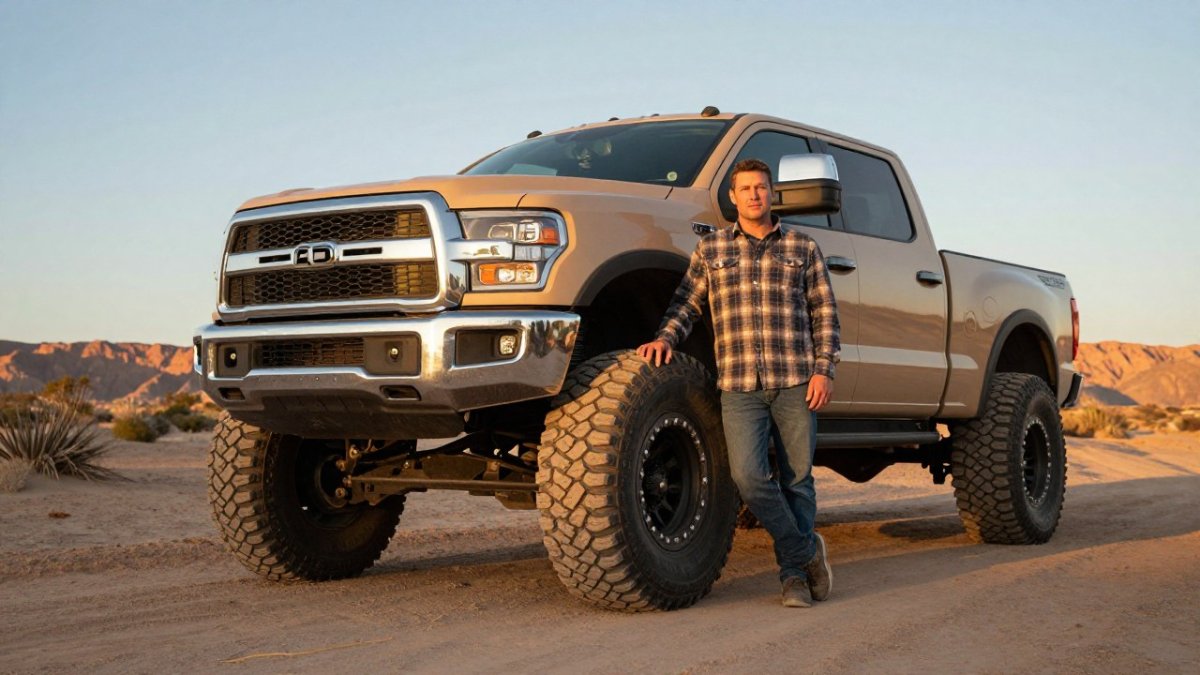
 Listicle
Best Trucks for Off-Road Beginners in 2026
Last Updated: November 10, 2026
Quick Summary
For off-road beginners, the best trucks pair four-wheel drive with low-range gearing, honest ground clearance, skid plates, and rated recovery points. Car and Driver's 2026 rankings put the Ford Ranger Raptor and Rivian R1T at the top, while a used Silverado 1500 or Nissan Frontier suits first-truck budgets.
- Judge a beginner truck on four-wheel drive with low range, ground clearance, skid plates, and recovery points before horsepower.
- All-terrain tires deliver the largest real-world traction gain per dollar of any modification for new drivers.
- A stock four-wheel-drive pickup with all-terrain tires handles graded forest roads and shallow water crossings below the hubs.
- Start with a recovery strap rated for your truck's weight, two rated shackles, a shovel, and a tire pressure gauge.
- Use three questions before any trail: Can I walk this line, do I have a way out, and is there a second vehicle?
Table of Contents
- Quick Comparison: Best Trucks for Off-Road Beginners in 2026
- Beginner Off-Road Truck Features That Actually Matter
- The Best Off-Road Truck for Daily Driving
- Off-Road Truck Tires for Beginners: What to Buy First
- Best Used Trucks for Off-Roading on a Beginner Budget
- Stock Capability, Learning Curve, and Safe First Trails
- Shop Beginner-Ready Trucks at Extreme Sport Chassis
- Frequently Asked Questions
Quick Comparison: Best Trucks for Off-Road Beginners in 2026
Shopping for the best trucks for off road beginners means balancing trail capability against daily comfort. At Extreme Sport Chassis, we help new off-roaders sort real capability from marketing noise.
| Truck | Listed Price | Rating | Best For |
|---|---|---|---|
| Ford Ranger Raptor | $59,165 | 10/10 (Car and Driver) | Factory trail capability |
| Rivian R1T | $72,885-$121,111 | 10/10 (Car and Driver) | Electric overlanding |
| Ford F-150 Raptor | Not listed | 9/10 (Car and Driver) | Full-size power |
| Toyota Tacoma TRD Pro | Not listed | Midsize winner (U.S. News) | Resale and reliability |
| Chevrolet Colorado ZR2 | Not listed | Factory off-road roundup | Midsize value |
| Used Silverado 1500 / Frontier | Varies | Used-pickup coverage | First-truck budgets |
Car and Driver's 2026 off-road pickup rankings place the Ranger Raptor and Rivian R1T at the top of the class.
Beginner Off-Road Truck Features That Actually Matter
A beginner-ready truck needs four-wheel drive with low-range gearing, honest ground clearance, skid plates, and rated recovery points. Everything else is preference. Off-road beginners should judge a truck on those four items before looking at horsepower or screen size.
Four-Wheel Drive and Low-Range Gearing
Four-wheel drive sends power to all four wheels when traction drops. A four-wheel-drive system with low-range gearing multiplies torque for slow, controlled climbs. Without low range, steep trail driving heats the transmission and stresses the clutch. Look for a two-speed transfer case, and confirm the truck has a locking differential or at least a limited-slip differential in back.
Ground Clearance, Skid Plates, and Recovery Points
Ground clearance decides what you can drive over without scraping. Approach angle, departure angle, and breakover angle tell you how steep a ledge or ditch the truck clears before bodywork touches ground. Skid plates and underbody protection guard the oil pan and transfer case. Recovery points let a strap pull you out safely.
If you want a deeper walkthrough, our guide on how to choose the right truck for off-roading breaks down each specification.
The Best Off-Road Truck for Daily Driving
A beginner who commutes five days a week should weigh maneuverability and visibility above raw suspension travel. Full-size trucks tow more, but they park worse and use more fuel.
Daily driving rewards maneuverability, visibility, and driver-assistance features more than suspension travel. A crew cab with a shorter bed length and tighter wheelbase turns into parking spaces a full-size truck cannot. Walk the truck around a lot before you buy and check the turning circle in the spec sheet, a tighter circle is the single most useful daily-driving number for a beginner.
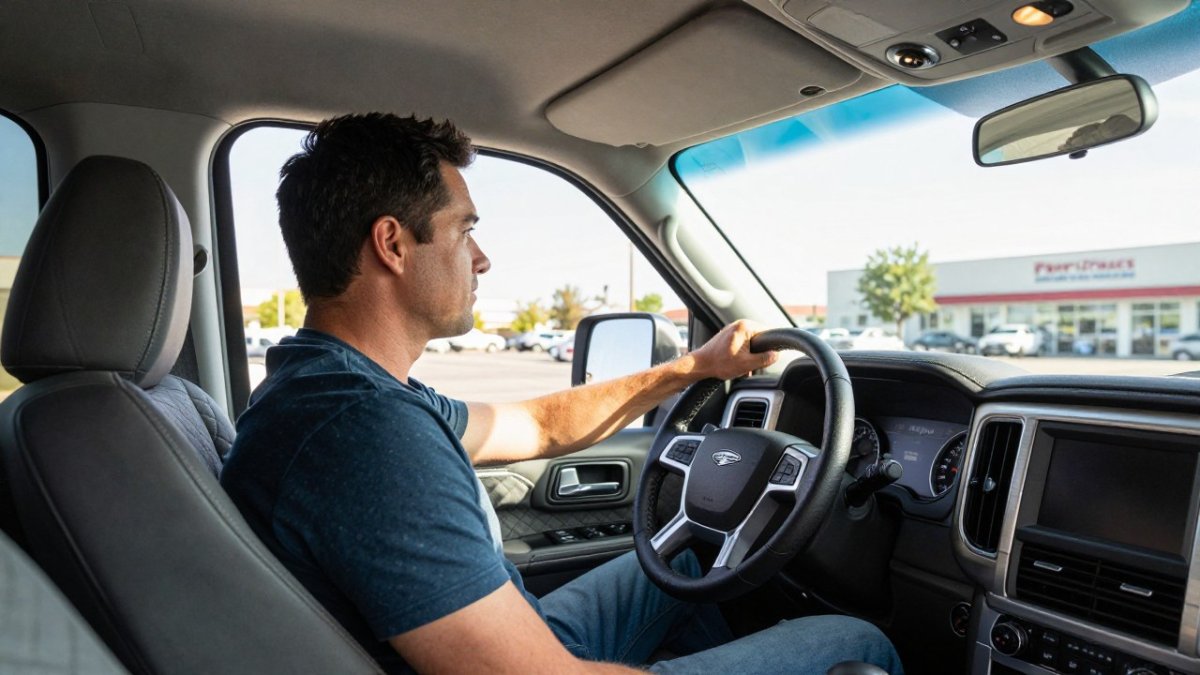
Visibility matters as much as size. Sit in the driver's seat and check the sightlines over the hood, out the rear window, and through the side mirrors. A truck with a high beltline and a tall hood can hide a curb or a child's bicycle from the driver's eye. Backup cameras and parking sensors are now common, but confirm the truck has them and that the camera stays clean in winter road spray.
Terrain management modes and hill descent control reduce the learning curve on descents. Terrain modes adjust throttle response, transmission shift points, and traction control for grass, gravel, snow, mud, or sand; hill descent control holds a slow, steady speed down a steep grade so the driver can steer instead of stab the brake. Both are beginner-friendly because they take a decision away from an inexperienced foot.
Ride quality is the other daily-driving factor. A truck with a stiff off-road suspension and aggressive tires will transmit every expansion joint into the cab. If a Silverado fits your commute and your trails, you can view a specific Silverado RST listing to see how the package looks in practice.
Fuel cost is part of daily driving, not a separate topic. A full-size V8 or a heavy off-road package will cost more at the pump every week than a midsize truck, and that recurring cost often outweighs the occasional towing advantage for a beginner who mostly commutes. Run the math on your actual weekly miles before you fall for horsepower.
Watch out: buying the largest, most heavily equipped truck you can afford is a common beginner mistake, a truck that is hard to park and thirsty on the commute gets driven less, and a truck that sits in the driveway teaches you nothing about off-roading.
Off-Road Truck Tires for Beginners: What to Buy First
Tires are the first upgrade every beginner should make. All-terrain tires deliver the largest real-world traction gain per dollar of any modification, and they stay quiet enough for highway use. Skip mud-terrain rubber until you actually drive mud.
Here is how we would sequence a first tire purchase:
- Confirm the truck's factory tire size before shopping
- Choose an all-terrain with a three-peak mountain snowflake rating if you see winter weather
- Buy five tires if the spare is a different size
- Check load rating against your towing capacity and payload capacity
- Recheck pressure monthly; trail driving rewards correct inflation
Our practical guide to choosing off-road tires covers load ranges, tread patterns, and sizing in full.
Best Used Trucks for Off-Roading on a Beginner Budget
Used trucks can be a practical way to learn off-roading, since you will not fear scratching them. A used truck also lets you learn on something you will not fear scratching.
Chevrolet Silverado 1500 and Nissan Frontier
Check service records, inspect the underbody for bent skid plates, and confirm the transfer case engages low range before you buy. You can browse the Chevrolet inventory or the Nissan inventory to compare what is on the lot.
Stock Capability, Learning Curve, and Safe First Trails
A stock truck handles far more trail than most beginners expect. Stock-truck capability on a modern four-wheel-drive pickup covers graded forest roads, shallow water crossings, and moderate mud driving without modification. Your learning curve matters more than your build sheet. This is the gap most rankings skip: they tell you which truck to buy, not how to use it safely on your first season of trails.
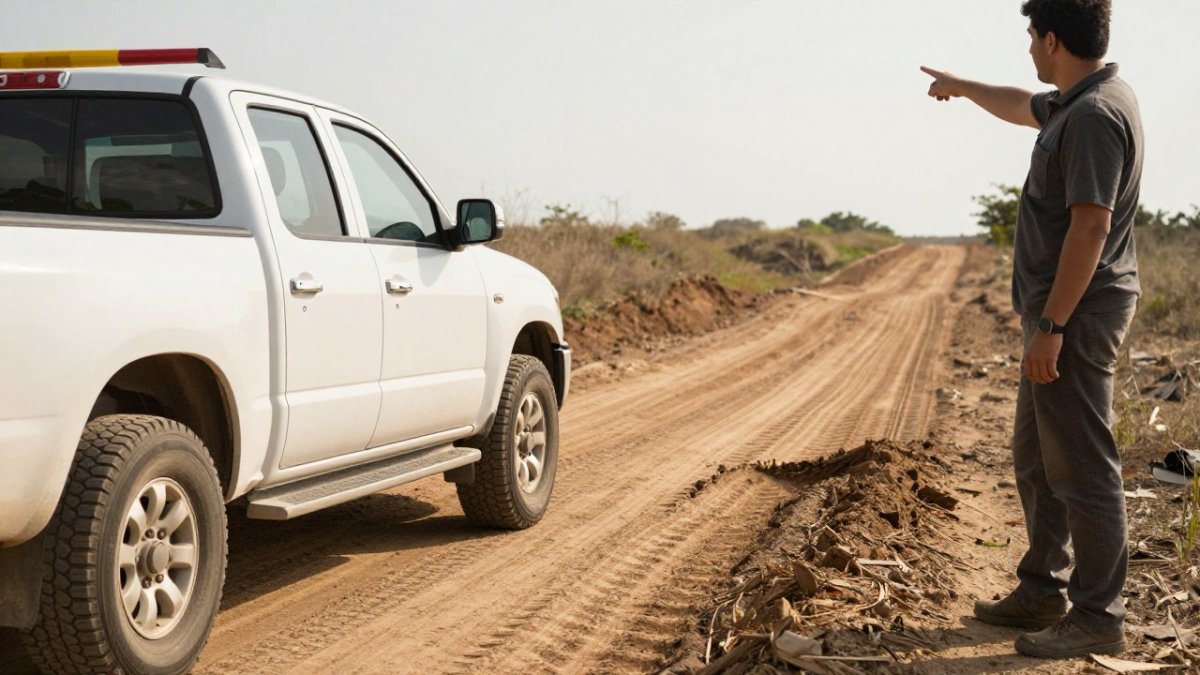
What a Stock Truck Can Actually Do
A stock four-wheel-drive pickup with all-terrain tires can typically handle graded dirt and gravel roads, two-track forest trails, shallow water crossings below the hubs, and moderate mud and sand. It cannot safely handle deep mud, large rock ledges, or steep side-slopes without a lift, bigger tires, and underbody protection. The honest beginner test is simple: if you would not walk the obstacle in hiking boots, do not drive it in a stock truck. Walk the line first, pick your tire placement, and only then commit.
Recovery Gear and How It Works
Start with recovery gear: a recovery strap rated for your truck's weight, two rated shackles, a shovel, a tire pressure gauge, and a way to air tires down and back up, a portable compressor is the usual answer. A recovery strap stretches and stores energy to pull a stuck truck out; a tow strap does not stretch and can shock-load and break components. Rated recovery points are the anchor: never attach a strap to a bumper, a hitch ball, or a tie-down loop. A hitch ball can shear off under load and become a projectile.
Watch out: driving a trail alone with no recovery points rated for a strap is how beginners turn a stuck truck into a damaged one. Travel with a second vehicle when you can, and tell someone your route and expected return time before you leave cell coverage.
Trail Etiquette and Responsible Use
Learn trail etiquette before you learn throttle. Air down for traction, pick a spotter you trust, and drive obstacles at walking pace. Stay on the designated trail, driving around a mud hole widens the trail and damages the terrain, and land managers close trails over it. Yield to uphill traffic, pack out everything you bring in, and leave gates as you find them. These habits keep trails open and keep beginners out of trouble.
A Beginner Decision Framework
Use three questions before any trail: Can I walk this line? Do I have a way out if I get stuck? Is there a second vehicle or a known route out? If any answer is no, turn around. That framework matters more than which trim you bought, and it is the part of off-roading that no spec sheet teaches.
Shop Beginner-Ready Trucks at Extreme Sport Chassis
Choosing your first off-road truck comes down to matching real capability to how you actually drive. Extreme Sport Chassis has been in business since 1987 and has spent the last 20 years building luxury haulers. SportChassis trucks are rated in J.D. Power studies. Our team pairs durability for towing and hauling with comfort for the daily commute, and offers personalized guidance on vehicle selection.
Your first trail truck should feel capable the day you drive it home. Extreme Sport Chassis offers SportChassis trucks, plus a wide selection of cars, trucks, Jeeps, and SUVs, with personalized service tailored to your budget and lifestyle. Get started with Extreme Sport Chassis and find a truck built for both the trail and the office parking lot.
Frequently Asked Questions
What should I look for in my first off-road truck?
Start with four-wheel drive, low-range gearing, and enough ground clearance for the trails you plan to drive. Add skid plates, recovery points, and all-terrain tires. Skip heavy modifications until you know how the stock truck behaves. A midsize pickup is usually easier to place on tight trails than a full-size truck, and many beginners do fine with a limited-slip differential at first.
Is a midsize or full-size truck better for a beginner off-roader?
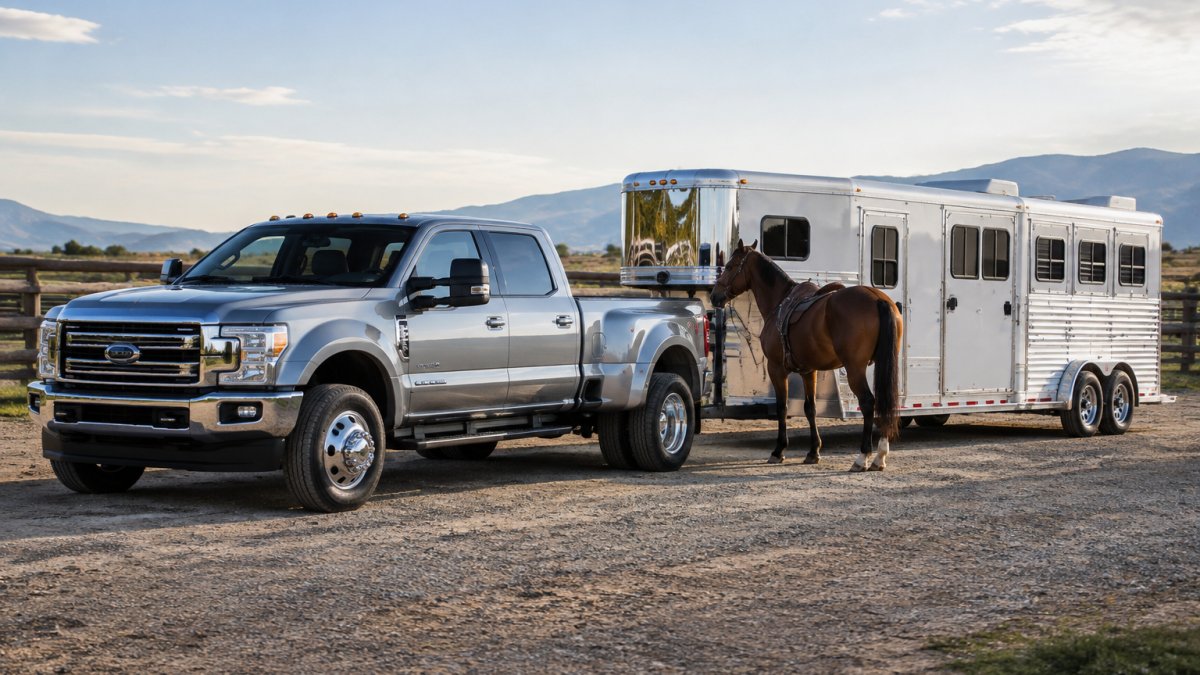
Midsize trucks are usually the better starting point. Their shorter wheelbase and narrower body make maneuverability and visibility easier on tight trails, and they cost less to run. Full-size trucks like the Ford F-150 Raptor offer more payload and towing capacity but feel wide on narrow tracks. If you tow an RV, boat, or horse trailer regularly, a full-size truck makes sense. Otherwise, a midsize model lets you build confidence before moving up.
Do beginners need a truck with a locking differential?
Not on day one. A locking differential sends power to both wheels on an axle and helps when one tire loses traction, but most beginner trails don't require it. Many factory off-road packages include one, and it's worth having if you plan to tackle rock crawling or mud. For gravel roads and easy forest trails, four-wheel drive and appropriate all-terrain tires cover most situations. Learn how your truck behaves before relying on a locker.
Can you use an off-road truck as a daily driver?
Yes, and the best off-road truck for daily driving balances trail capability with on-road comfort. Look for a crew cab, quiet highway tires or mild all-terrains, and driver-assistance features like lane keeping and adaptive cruise control. Some midsize and electric trucks are designed to remain livable on pavement. Test-drive on the highway before buying, since aggressive tires and stiff suspension can wear on long commutes.
What truck should a beginner stay away from?
Avoid heavily modified used trucks with unknown lift kits, mismatched parts, or no maintenance records. Those builds often hide drivetrain strain and can leave you stranded. Also skip underpowered two-wheel-drive models if you plan to leave pavement, and be cautious with very wide full-size trucks on narrow trails. A stock, well-documented truck from a dealer that inspects its inventory is a safer first purchase than a cheap modified rig.