 Comparison
7 Alternatives to Lifted Trucks for Safer, Smarter Towing
Last Updated: November 12, 2026
Quick Summary
The best towing alternatives to lifted trucks are stock-height heavy-duty pickups, full-size SUVs, and purpose-built luxury haulers like SportChassis. Stock height preserves the manufacturer's validated tow rating, hitch geometry, and braking balance, while a lift raises your center of gravity and reduces effective payload.
- A full suspension lift reduces hauling performance more than a leveling kit does.
- Payload, not tow rating, is usually the first limit you hit when towing.
- Tongue weight should land between 10 and 15 percent of loaded trailer weight.
- For 5,000 to 10,000 pounds of regular towing, step to a stock-height three-quarter-ton pickup.
- SportChassis has been in business since 1987 and is rated by J.D. Power.
Table of Contents
- Why a Lifted Truck Often Falls Short for Towing
- Lifted Truck Towing Capacity: What the Lift Actually Costs You
- The Best Trucks for Towing Start With Stock Height
- Towing Capacity and Payload: The Numbers That Decide Your Setup
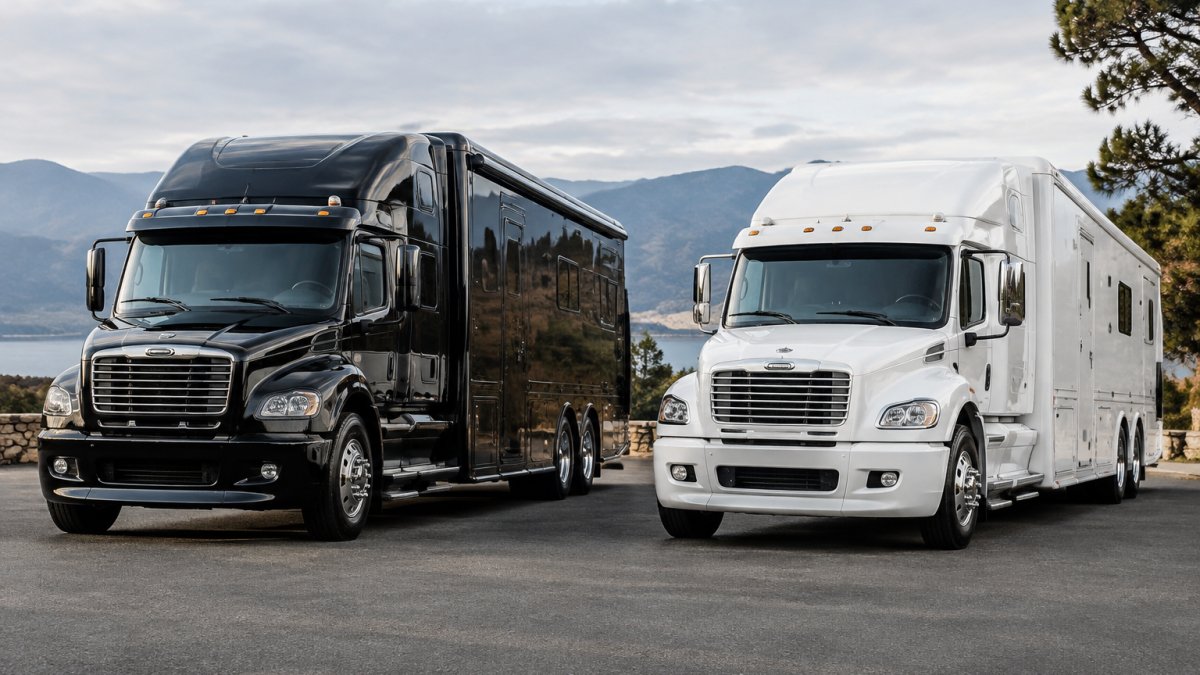
- SportChassis Trucks: A Luxury Hauler Built for the Job
- How to Keep a Lifted Truck and Still Tow Safely
- A Decision Framework Based on Trailer Weight and Use Case
- Book a Test Drive and Compare Your Towing Options in Person
- Frequently Asked Questions
Why a Lifted Truck Often Falls Short for Towing
A lifted truck raises its center of gravity, and that single change works against almost everything a tow vehicle needs: stability, braking balance, and hitch geometry. Searching for towing alternatives to lifted trucks usually starts with a simple realization. The truck looks right. It tows worse than it should.
The lift itself is rarely the villain. The problem is what a lift kit does to the rest of the system.
- Higher center of gravity: more body roll and lateral instability in crosswinds or evasive maneuvers
- Hitch height drift: a trailer that rides nose-up or nose-down transfers weight unevenly across axles
- Softer suspension: lifted setups often trade spring rate for articulation, which invites sag under tongue weight
- Larger tires: taller sidewalls flex more, dulling steering response and braking feel
The fix is rarely another lift component. It is a different starting point.
Lifted Truck Towing Capacity: What the Lift Actually Costs You
Lifted truck towing capacity is not a single number you can look up. The manufacturer's tow rating applies to a stock configuration; once you change tire diameter, suspension geometry, and ride height, you are outside the tested setup, and the door-jamb rating no longer describes your truck.
Three costs show up again and again:
- Reduced effective capacity. Heavier wheels and tires eat into payload before you load a single tool. Payload capacity, not tow rating, is usually the first limit you hit.
- Altered load distribution. A raised hitch changes tongue weight transfer. Too little invites sway; too much overloads the rear axle and unloads the front, weakening steering grip.
- Braking and handling performance. Bigger tires change the effective final drive ratio and add rotating mass, so stopping distance grows.
None of this makes a lifted truck unusable, it makes it a compromise you should price honestly before you commit.
The Best Trucks for Towing Start With Stock Height
The best trucks for towing are engineered at stock height, where the manufacturer validated the tow rating, the cooling, the brakes, and the hitch. That is the whole argument. Start with a platform built to pull, then add comfort rather than altitude.
Car and Driver's towing-capacity rankings place heavy-duty pickups at the top of the category, and the published 2026 maximums back that up. Nexstar Media Wire lists the Ford F-450 Super Duty at 40,000 pounds and the F-350 Super Duty at 38,000 pounds, while Lifted Trucks reports the Ram 3500 at 36,610 pounds.
Heavy-Duty Pickups: Ford Super Duty, Ram HD, and Silverado 2500HD
Three stock-height heavy-duty trucks cover most towing needs, and each has a distinct personality.
Ford Super Duty. The Super Duty is the default choice for maximum capability. The F-250 handles travel trailers and equipment; step to the F-350 dual-rear-wheel for fifth-wheel and gooseneck work.
Ram HD. The Ram HD pairs serious towing hardware with the plushest interior in the class, strong if the truck doubles as a daily commuter.
Chevrolet Silverado 2500HD. The 2500HD badge separates it from the light-duty Silverado 1500, and ride quality on empty highways is a common reason buyers pick it over the competition.
- Best for: buyers who tow weekly and want a validated rating, warranty coverage, and resale strength
- Skip if: you need a luxury cabin and a factory-integrated bed without aftermarket assembly
Full-Size SUVs as a Non-Pickup Option
A full-size SUV can tow, but the ceiling is lower. Stivers Ford South's 2026 towing figures report up to 9,600 pounds for the Ford Expedition, and that maximum depends on a specific configuration. An SUV makes sense when passenger space matters more than payload, and when the trailer stays under the midsize travel-trailer range. For horse trailers and heavy equipment, it does not.
If a horse trailer is in your future, our guide to the 7 best trucks for hauling horse trailers walks through the setups that actually hold up.
Maximum Towing Capacity of Stock-Height Trucks
Towing Capacity and Payload: The Numbers That Decide Your Setup
Towing capacity and payload are the two ratings that decide whether a setup works, and payload is the one buyers ignore. Tow rating tells you what the truck can pull. Payload tells you what it can carry, and that includes passengers, fuel, tools, hitch weight, and tongue weight.
The ratings that matter are printed on two labels. The tire and loading information label on the driver's door jamb lists maximum payload for that specific vehicle as built. The certification label lists the gross vehicle weight rating (GVWR) and gross axle weight ratings (GAWR) for front and rear.
Here is how the main towing alternatives compare on the factors that matter:
| Setup | Strength | Weakness | Best For |
|---|---|---|---|
| Lifted half-ton pickup | Off-road look, ground clearance | Raised hitch, softer suspension, reduced effective payload | Light trailers, occasional use |
| Stock-height heavy-duty pickup | Validated tow rating, strong payload | Stiff ride when empty, tall step-in | Weekly towing, equipment, RVs |
| Full-size SUV | Passenger space, enclosed cargo | Lower tow ceiling, shorter wheelbase | Midsize travel trailers |
| Luxury medium-duty hauler | Purpose-built towing, premium cabin | Larger footprint, higher entry point | Fifth-wheel, horse, and heavy trailers |
The rule we give buyers is simple: add the weight of everyone riding in the truck, the gear in the bed, and the tongue weight of the loaded trailer.
Tongue weight deserves its own check. For conventional trailers, tongue weight should land between 10 and 15 percent of the loaded trailer weight. Our explainer on what makes a truck heavy duty breaks down GVWR and truck classes in plain terms.
Watch out: a salesperson who quotes only the maximum tow rating is quoting a number for a stripped configuration.
SportChassis Trucks: A Luxury Hauler Built for the Job
SportChassis trucks are medium-duty haulers built on a commercial chassis and finished to luxury standards, which is why they sidestep the lifted-truck trade-off entirely.
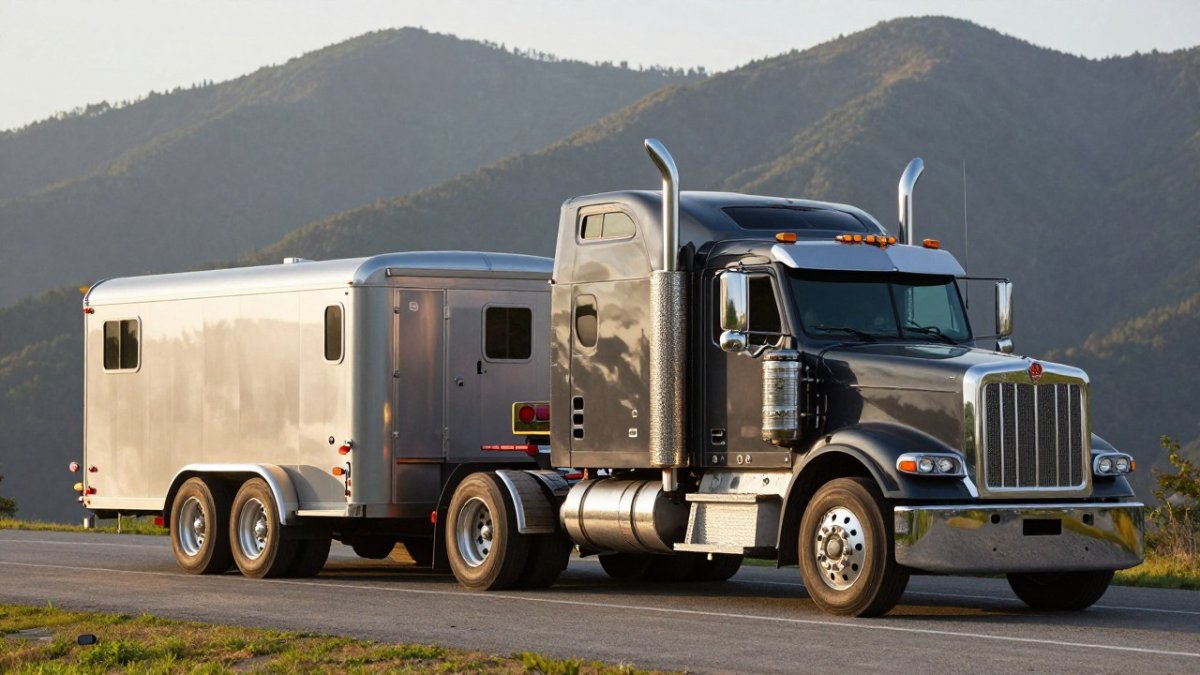
The value case is straightforward. SportChassis has been in business since 1987 and has spent the last 20 years building luxury haulers, and the brand is rated by J.D. Power.
For a direct look at how a purpose-built hauler stacks up against a stock or upfitted truck, read our comparison of custom Sport Chassis vs stock trucks for heavy towing.
How to Keep a Lifted Truck and Still Tow Safely
Keeping the lift and towing safely is possible, and the honest answer is that it takes more attention than a stock setup. BDS Suspension's guide to towing with a lifted truck describes ways to make a lifted rig an efficient tow vehicle. The work is in the details.
- Recheck hitch height. Adjust the ball mount or use an adjustable drop hitch so the trailer frame sits level when loaded.
- Add a weight-distribution hitch. Load distribution moves tongue weight back to the front axle and reduces sag at the rear.
- Upgrade the brakes. Larger tires need more stopping force. A big-brake kit or trailer brake controller is not optional for heavy loads.
- Watch tire load ratings. Confirm the tires carry the axle weight with margin, and check pressure cold.
- Keep the lift moderate. A leveling kit changes less than a full suspension lift, and less change means fewer compromises.
Watch out: a lifted truck with a nose-high trailer and no weight distribution is the setup most likely to sway on a downhill curve. Fix the hitch angle before you fix anything else. For drivetrain protection under load, see our guide on avoiding drivetrain issues when hauling heavy loads.
A Decision Framework Based on Trailer Weight and Use Case
Use this framework to pick a direction before you shop. Start with the loaded trailer weight, then match it to a vehicle class.
- Under 5,000 pounds, occasional use. A stock-height half-ton or a full-size SUV handles this comfortably. Keep the lift mild or skip it. A weight-distribution hitch and a trailer brake controller cover most of this range.
- 5,000 to 10,000 pounds, regular weekend towing. Step to a stock-height three-quarter-ton pickup. This is the sweet spot for travel trailers and small equipment trailers. Payload, not tow rating, is usually the binding limit here once passengers and gear are added.
- 10,000 to 20,000 pounds, horse and equipment trailers. One-ton dual-rear-wheel pickups or a medium-duty hauler. Fifth-wheel and gooseneck hitches belong here, and the pin weight lands squarely on the rear axle, so check the rear GAWR before you commit.
- Over 20,000 pounds or daily commercial use. A purpose-built luxury hauler is the practical answer. The chassis and hitch are specified for the load from day one.
Total cost of ownership tips the scale further. A lift kit, bigger tires, brake upgrades, suspension correction, and labor add up fast, and none of it raises your tow rating.
A second cost most buyers miss is fuel and maintenance. Heavier wheels and tires, a lifted suspension, and the aerodynamics of a raised truck all work against fuel economy when towing.
Watch out: comparing only the purchase price of a lifted half-ton against a purpose-built hauler hides the correction costs.
Book a Test Drive and Compare Your Towing Options in Person
Numbers on a page only go so far. Hitch height, seat comfort, and how a truck feels with a trailer behind it are things you learn in person, and a test drive settles more questions than a spec sheet.
At Extreme Sport Chassis, we specialize in high-performance SportChassis trucks alongside a selection of cars, SUVs, and Jeeps, and we build custom solutions around your trailer and daily driving.
Bring your trailer specs. We will walk the lot, match the setup to your load, and show you what a purpose-built hauler feels like behind the wheel. Contact us to schedule a visit and compare your towing options side by side.
The wrong tow vehicle costs you every time you hook up: sway, sag, and a cab you dread on long hauls.
Frequently Asked Questions
Is a lifted truck bad for towing?
A lift changes how a truck behaves under load. Raising the center of gravity increases body roll and lateral instability, and a suspension lift reduces stability compared with a leveling kit. Larger tires can affect braking performance and effective gearing. That does not make a lifted truck unusable, but it means the setup needs more attention to hitch height, trailer leveling, and load distribution to stay safe.
Does a lift kit reduce towing capacity?
The manufacturer's tow rating is set for the stock configuration. A suspension lift does not automatically lower the published number, but it changes how the truck handles that load. Suspension lifts generally cause a larger reduction in hauling performance than leveling kits. Check the ratings for your exact configuration and account for added tire and suspension weight against payload capacity.
What should I consider instead of a lifted truck for towing?
Start with a stock-height heavy-duty pickup like a Ford Super Duty, Ram HD, or Silverado 2500HD, which keep factory stability and full tow ratings. Full-size SUVs suit lighter trailers, and luxury haulers built on medium-duty chassis handle heavy fifth-wheel and gooseneck loads with comfort. Match the vehicle to your trailer weight, tongue weight, and payload needs rather than to the look you want.
How do I compare a truck's towing capacity with my trailer's weight?
Find the loaded weight of your trailer, not the dry weight, then compare it with the tow rating for your exact truck configuration. Also check payload capacity against the tongue weight plus passengers and cargo. Staying under both limits, and keeping the trailer level at the correct hitch height, matters more than chasing the highest published number.
Are heavy-duty luxury haulers suitable for towing?
Yes. SportChassis trucks are built on medium-duty chassis and designed for towing heavy trailers, including horse, RV, and equipment loads. They combine the capability of a commercial chassis with a luxury interior, so they work for both weekend towing and daily driving. Confirm the rating for the specific build and your trailer before you buy.